
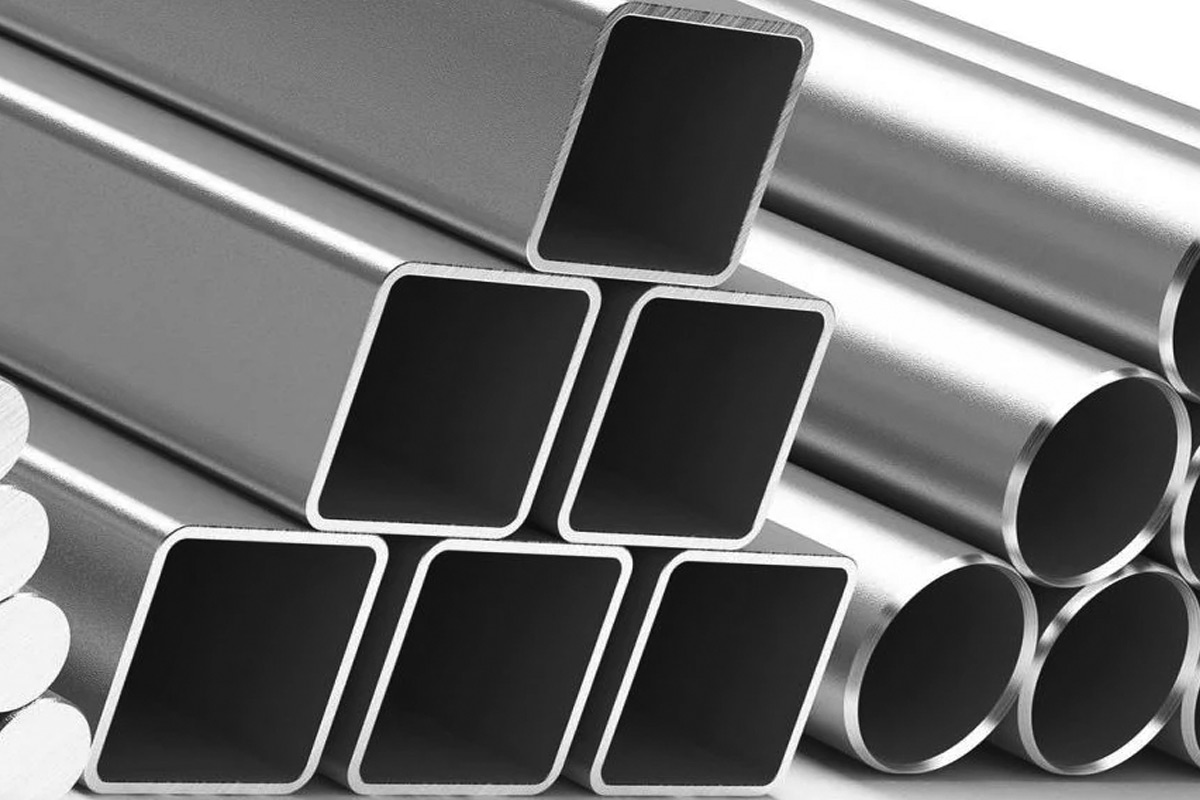
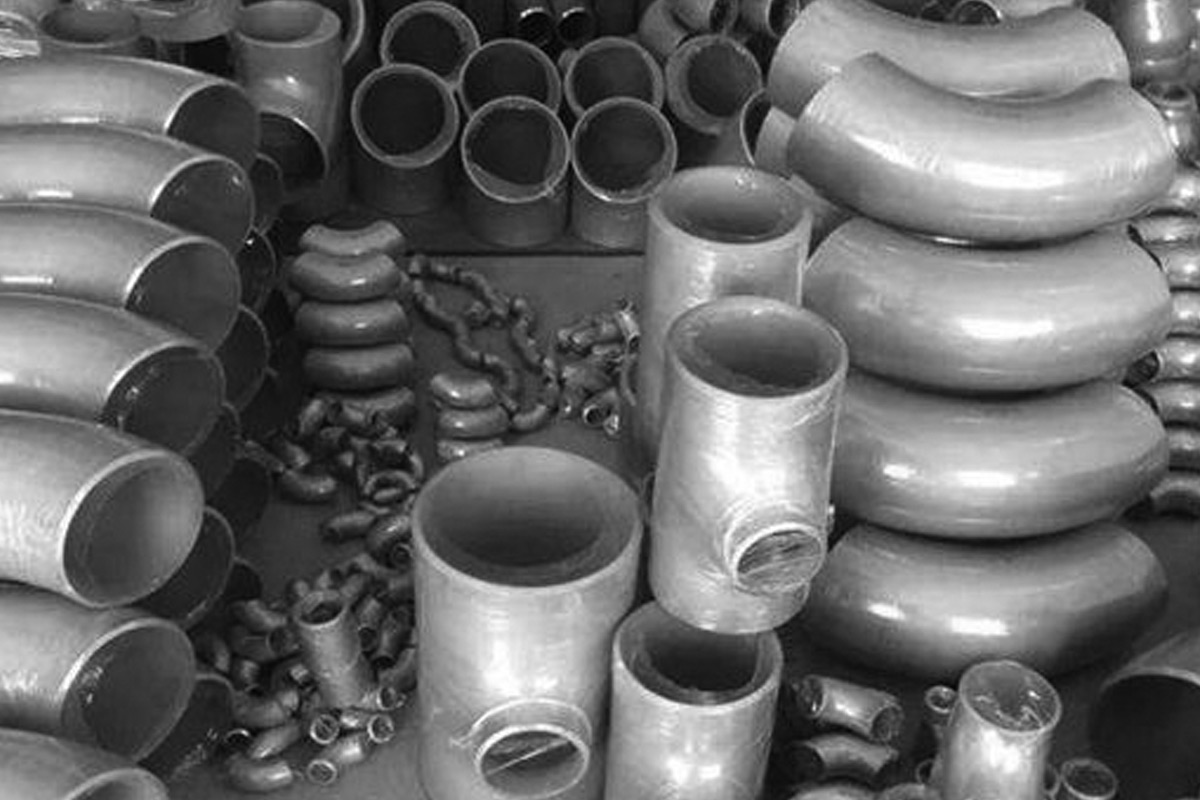
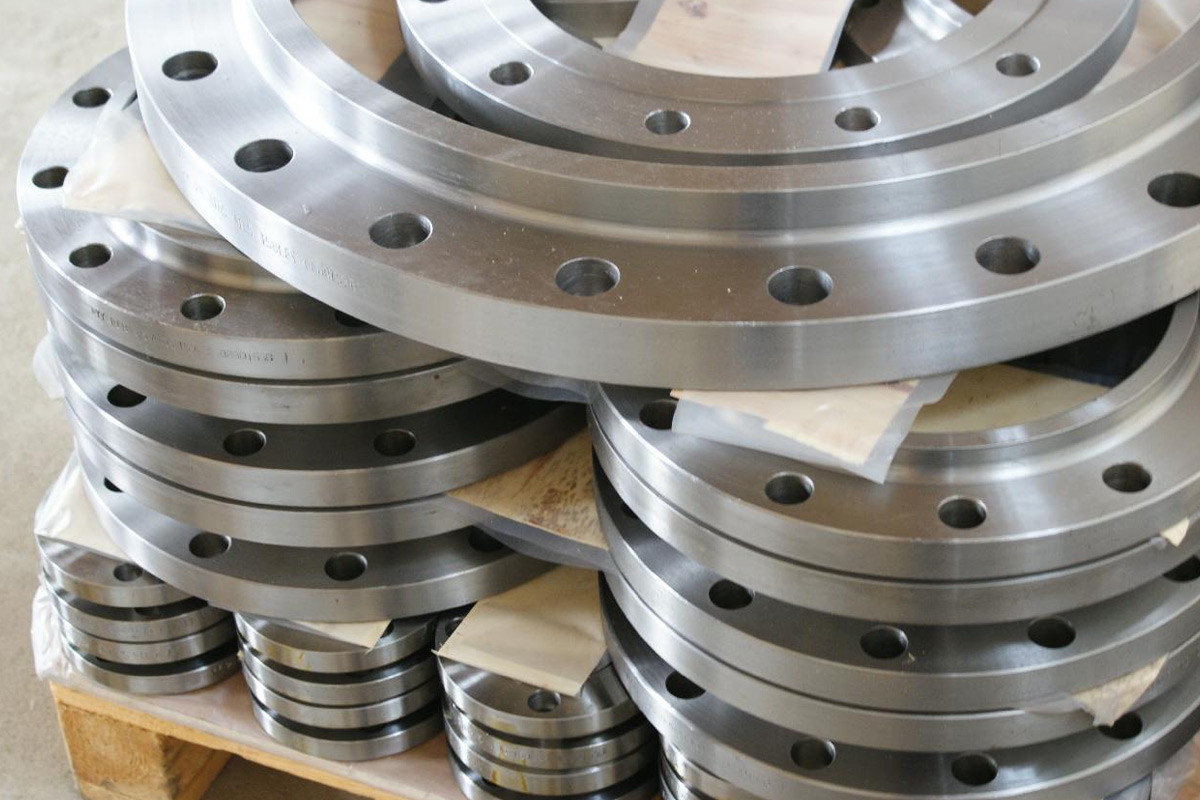
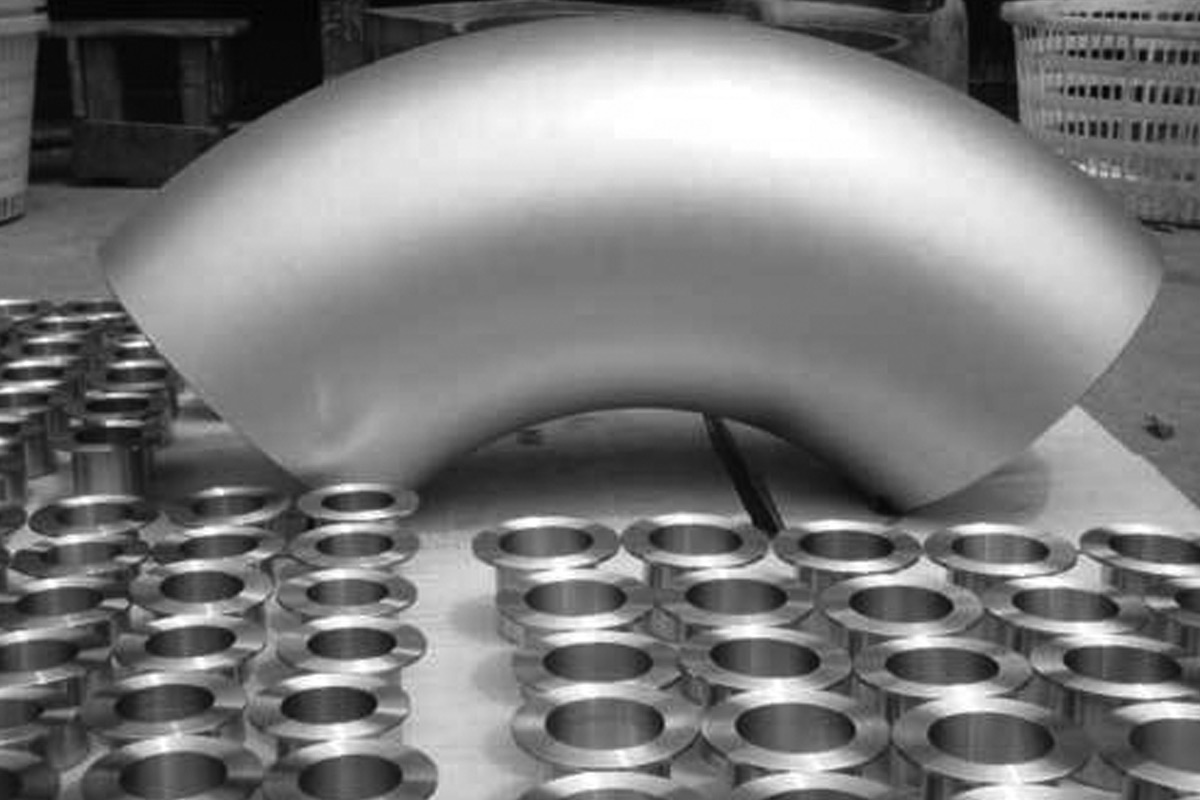
Duplex Pipeline Solutions LLP is one of Mumbai's most reliable duplex steel suppliers, serving pipeline construction companies in Mumbai and industrial buyers across India. We supply duplex pipe and duplex fittings engineered to withstand extreme pressure, corrosion, and demanding industrial conditions.

Every client's needs are different, and so is our approach. As a trusted name across duplex Mumbai supply circles, we adapt quickly to market shifts, earning repeat trust from pipeline construction companies in Mumbai project after project.

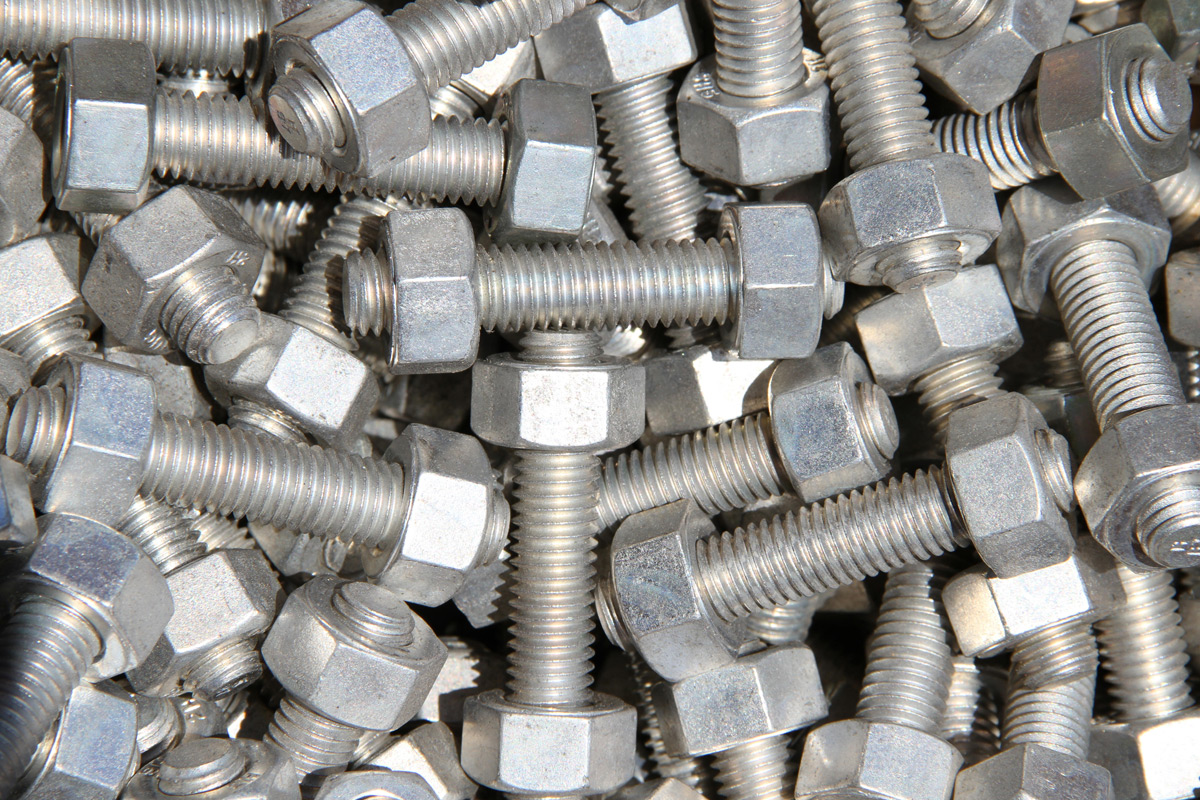
We start by understanding what clients truly need. From grade selection to delivery timelines, our duplex fittings, duplex pipe, tube, and flange ranges are customized around your project building long-term partnerships, not one-time orders.
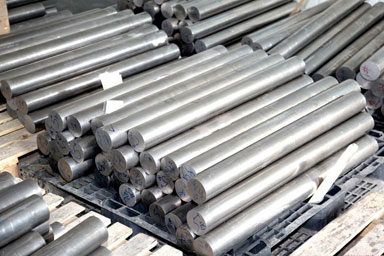
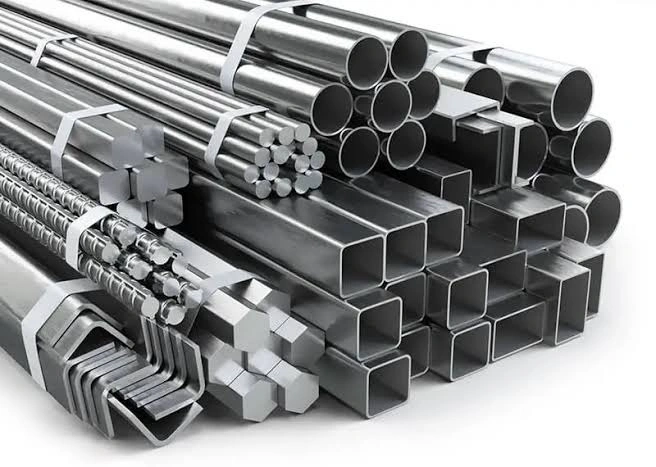
Our Company Strength
India’s Reliable Source for Duplex & Super Duplex Stainless Steel – In a Market with Scattered Stockists
Piping systems for all industrial applications that require strength and reliability: your trustworthy partner.
Among India’s largest stockholders of super duplex material, we are the trusted source for the distributors all over Mumbai.
pipe
Buy super duplex steel at lowest price in India, Call us on +91 9004096535 to get the fastest quote in Mumbai
- Mr. Alpesh Shah is a renowned expert in the international exporting of duplex and super duplex products.
- Through the guidance and support of Mr. Shah, Duplex Pipeline Solutions LLP has been able to deliver cast products to different countries seamlessly
- We work closely with trusted steel shipping providers to ensure timely delivery and proper handling of steel products.
| Stock & features | Description |
|---|---|
| Material Type | Duplex Steel and Super Duplex |
| Chemical Composition | DSS & SDSS is a perfect combination of austenitic and ferritic stainless steels |
| Common Grades in Stock | 2205, 2507 |
| Corrosion Resistance | Excellent corrosion resistance |
| Strength | High strength products and toughness |
| Weldability | Good weldability (also check list of recommended filler metals) |
| Temperature Range | This material is suitable for use in high temperature applications (check the product pages to view the temperature range) |
| Applications | Complete piping products stock available at Duplex Pipeline Solutions for water desalination plants, Oil and gas industry, chemical processing and marine sector etc. |
| Cost | Duplex steel are more expensive compared to stainless steel, here are the approx price list Duplex 2205 price per kg in Mumbai: US $ 4 to US $ 11 Super Duplex 2507 price per kg in Mumbai: US $ 7 to US $ 36 Send us your inquiry to get the best quote within 2 hrs to info@duplexpipeline.com |
| Availability | Widest stock available at Duplex Pipeline Solutions which includes flat, long, forged, and casted products, you can call us or connect us via WhatsApp to find your sizes quickly at +91 9004096535 |