

Super Duplex Pipe Fittings Provider
Super duplex stainless steel, a higher alloy version of DSS, exhibits exceptional strength. Due to this increased strength, fittings and pipes made from this grade can sturdily withstand high-pressure conditions without failure or deformation.
Super duplex pipe fittings excellently resist localized corrosion phenomena such as pitting and crevice corrosion. This corrosion resistance ensures every pipe fitt, from elbow pipe to fitting caps, lasts reliably for years in difficult conditions.
Top Manufacturer of Super Duplex SS Tee in India
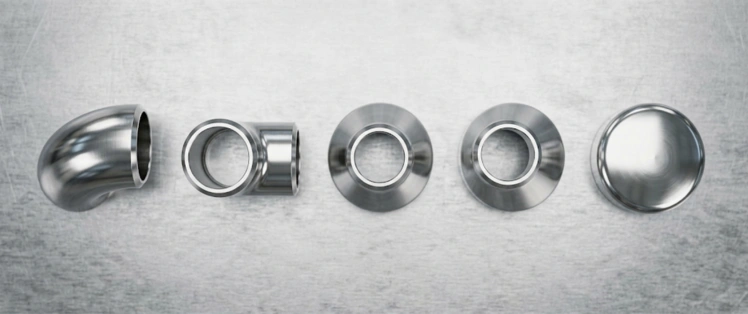
Manufacturers use well-known casting procedures for producing SDSS fittings, particularly the more intricate ones. Forging is the popular method by which pipe with elbow shapes and other fittings are formed by applying compressive force to the material.
Machining processes such as turning and drilling refine the shape and dimensions of SDSS bend fittings. SDSS fittings also undergo heat treatment to enhance their mechanical properties.
DuplexPipeline – Leading Super Duplex Fittings Distributor in Mumbai Using Advanced Assembly Methods
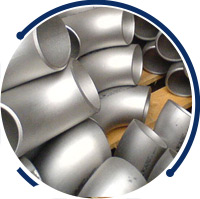
Super duplex elbow
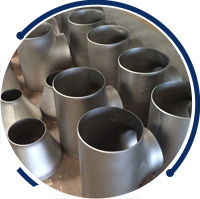
SDSS pipe tee
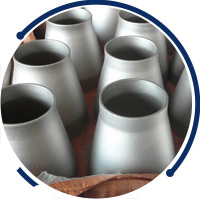
Super duplex steel reducer
The alloys of the SDSS elbow pipe fittings impart specific properties that shape their performance in various environments. Chromium, the primary alloying element in SDSS, provides excellent corrosion resistance.
Nickel enhances the strength and toughness of SDSS elbows. Molybdenum increases the resistance of super duplex pipe and elbow components to localized corrosion, such as pitting and crevice corrosion.
Get in Touch to Know Available Sizes of Super Duplex Buttweld Fittings
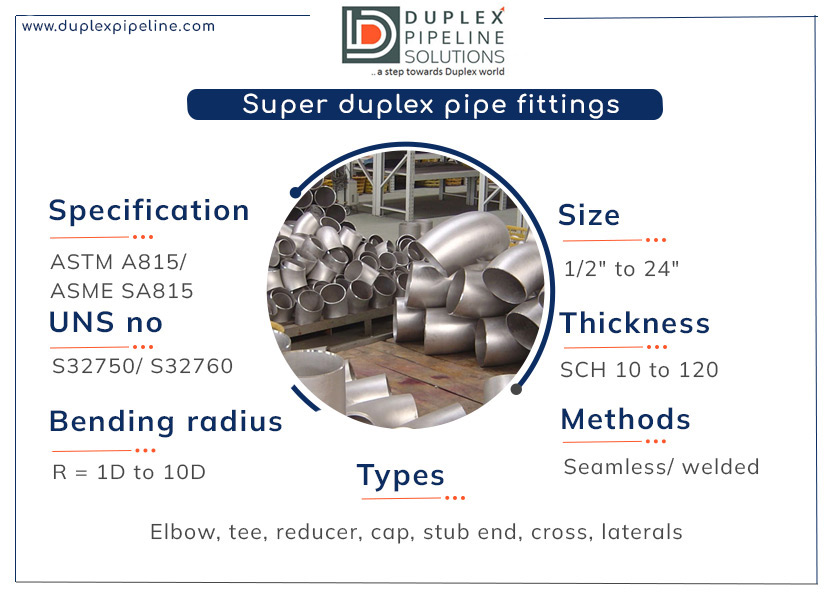
We are a high quality super duplex pipe fittings manufacturer in India, to check inventory visit us.
To assure the dependability and security of super duplex elbow, we employ hardness testing techniques
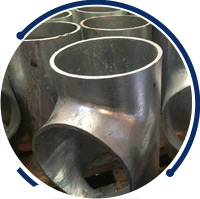
Super duplex steel fittings
- Yield strength: 415 MPa
- Types: elbow, tee, reducer, cap
- Schedule: SCH5 – SCH XXS
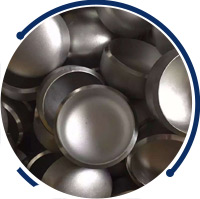
Super duplex stainless steel cap
- Method: seamless/ welded/ buttweld
- Tensile strength: 60-95Ksi
- Application: oil gas, power
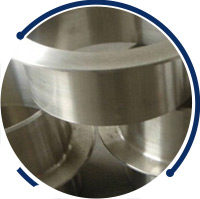
Super duplex stub end
- Size: 1/2″ – 48″
- Coating: 3LPE, Epoxy
- Testing: NDT
From elbow pipe to fitting caps and a dedicated stub end, our fittings and pipes range covers every configuration needed for pipe and elbow assemblies.
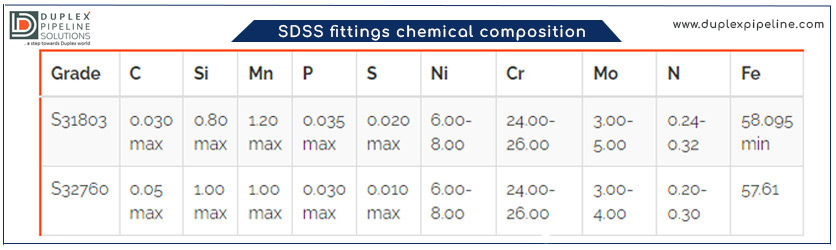
Join us to discover the chemical composition of the SDSS stub end and super duplex reducer

Common sizes fall within a set nominal pipe size (NPS) range. DN 15 to 300 is common for smaller-diameter piping systems and prevalent in industries such as oil and gas. DN 350 to 600 suits medium pipe systems needing higher flow rates, including many pipe couplings applications.
SDSS typically exhibits higher hardness than standard austenitic stainless steel, due to its increased alloying elements and dual ferrite-austenite phases.
The hardness of SDSS stub ends is often measured using the Rockwell or Brinell hardness scale, with values typically ranging between 25 and 40.
SDSS reducer is usually more expensive due to its increased alloying elements and the complexity of the manufacturing process. Despite the higher price, it offers excellent corrosion resistance compared to standard austenitic SS or other steel grades.
The SDSS reducer also exhibits exceptional mechanical strength compared to standard austenitic stainless steel grades, making SDSS pipe couplings and fittings suitable for critical applications where durability is essential.
Super duplex stainless steel which is a higher alloy version of DSS exhibits exceptional strength. Due to this increased strength, the pipe fittings can sturdily withstand high-pressure conditions without zero failure or deformation.
The super duplex pipe fittings can excellently resist localized corrosion phenomena such as pitting and crevice corrosion. This corrosion resistance makes sure the pipe fittings last reliably for years long in all kinds of difficult conditions.
Top Manufacturer of Super Duplex SS Tee in India
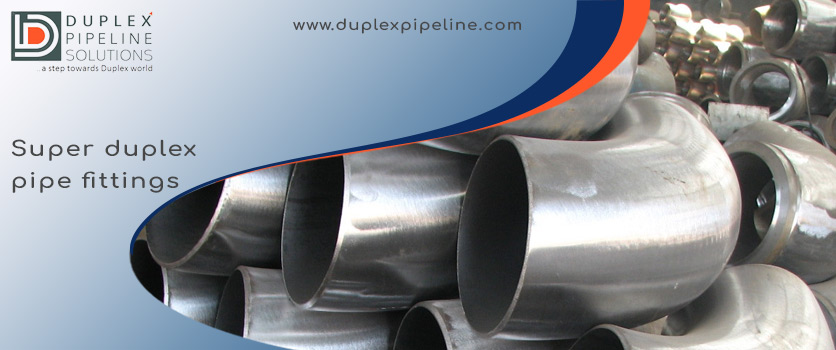
Manufacturers use well-known and useful casting procedures for producing SDSS fittings, particularly the more intricate and tricky ones. Forging is the popular method by which different pipe fittings are shaped by manufacturers by applying compressive forces to the pipe material.
Different machining processes such as turning and drilling are employed by manufacturers to refine the shape and dimensions of the SDSS bend fittings. SDSS fittings also undergo a heat treatment process to enhance their mechanical properties.
DuplexPipeline – Leading Super Duplex Fittings Distributor in Mumbai Using Advanced Assembly Methods
Super duplex elbow
SDSS pipe tee
Super duplex steel reducer
The alloys of the SDSS elbow fittings impart specific properties that contribute to their performance in various environments. Chromium, the primary alloying element in SDSS, provides excellent corrosion resistance.
Nickel enhances the strength and toughness of SDSS elbows. Molybdenum increases the resistance of super duplex elbows to localized corrosion, such as pitting and crevice corrosion.
Get in Touch to Know Available Sizes of Super Duplex Buttweld Fittings
We are high quality super duplex pipe fittings manufacturer in India, to check inventory visit us
To assure the dependability and security of super duplex elbow, we employ hardness testing techniques
Super duplex steel fittings
- Yield strength: 415 MPa
- Types: elbow, tee, reducer, cap
- Schedule: SCH5 – SCH XXS
Super duplex stainless steel cap
- Method: seamless/ welded/ buttweld
- Tensile strength: 60-95Ksi
- Application: oil gas, power
Super duplex stub end
- Size: 1/2″ – 48″
- Coating: 3LPE, Epoxy
- Testing: NDT
Join us to discover the chemical composition of the SDSS stub end and super duplex reducer
The most common sizes of SDSS buttweld fittings used in the industry typically fall within the following nominal pipe size (NPS) range. DN 15 to 300 are commonly used for smaller-diameter piping systems and are prevalent in industries such as oil and gas. DN 350 to 600 is the ideal size for medium pipe systems when higher flow rates are required.
SDSS typically exhibits higher hardness compared to standard austenitic stainless steel. This is due to its increased alloying elements and the presence of both ferrite and austenite phases.
The hardness of SDSS stub ends is often measured using the Rockwell hardness scale or the Brinell hardness scale. The hardness values of the stub end can range between 25 to 40.
SDSS reducer is usually more expensive because of its increased alloying elements and the complexity involved in the steel manufacturing process. But despite its higher price point, SDSS exhibits excellent corrosion resistance as compared to standard austenitic SS or any other steel grade.
The SDSS reducer also exhibits exceptional mechanical strength as compared to standard austenitic stainless steel grades. SDSS’s corrosion resistance and mechanical strength make them suitable for critical applications where durability is needed.