
Duplex Steel in FPSO & Subsea Flowlines: What Buyers Need to Know
Duplex Steel in FPSO & Subsea Flowlines: What Buyers Need to Know
If you’re sourcing materials for an FPSO (Floating Production Storage and Offloading) unit or a subsea flowline project, you already know that not every steel pipe can handle the job. Seawater, high pressure, sour service, and decades of unattended operation on the seabed put enormous stress on materials. This is exactly why duplex stainless steel has become the go-to choice for engineers and procurement teams who can’t afford a failure two thousand meters underwater.
In this guide, we’ll walk through what duplex steel pipe actually is, why it outperforms ordinary stainless steel pipe in offshore environments, and what buyers should know about steel pipe pricing before placing an order for their next project.
Why FPSO & Subsea Projects Need a Different Kind of Steel Pipework
FPSO vessels and subsea flowlines operate in some of the harshest conditions in the energy industry constant exposure to saltwater, fluctuating temperatures, high internal pressures, and corrosive well fluids containing CO2 and H2S. Standard carbon steel or even conventional stainless steel pipe simply isn’t built to survive that combination long-term.
This is where Duplex Pipeline Solutions duplex steel pipework earns its reputation. Duplex stainless steel combines a roughly 50/50 mix of austenitic and ferritic microstructures, giving it the corrosion resistance of stainless steel with nearly double the strength of standard grades. For operators, that means less steel pipework by weight, longer service life, and fewer costly interventions once the flowline is installed on the seabed.
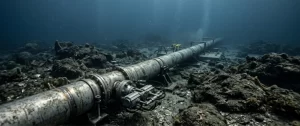
Duplex Steel Pipe vs Standard Stainless Steel Pipe: What’s the Difference?
Buyers often ask whether a regular stainless steel pipe could do the job instead of paying for duplex grades. Here’s the honest comparison:
- Corrosion resistance:Duplex steel pipe resists pitting and chloride stress corrosion cracking far better than standard pipe stainless grades like 304 or 316, making it suitable for direct seawater and subsea exposure.
- Strength: Duplex steel pipe offers close to twice the yield strength of ordinary stainless steel pipe, allowing thinner wall thickness for the same pressure rating — a real advantage when weight matters on an FPSO topside.
- Cost efficiency over time: While the upfront cost of stainless steel pipe in duplex grade is higher than austenitic ss steel pipes, the reduced wall thickness and extended service life often bring the lifecycle cost down.
For subsea flowlines specifically, super duplex and hyper duplex variants are frequently specified where sour service or extreme depth is involved, while standard duplex handles the majority of topside steel pipework on the FPSO deck.
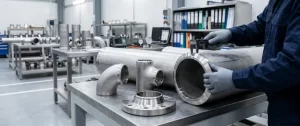
Seamless Pipe vs Welded Pipe for Subsea Use
Another decision buyers face is seamless pipe versus welded pipe. For subsea flowlines and high-pressure risers, seamless pipe is almost always preferred because it eliminates the weld seam that can become a weak point under cyclic loading and corrosive attack. A seamless pipe also offers more consistent wall thickness, which matters enormously when a flowline will sit on the seabed for 20-plus years without a single inspection opportunity.
That said, welded duplex steel pipe still has its place in larger-diameter topside steel pipework where seamless production isn’t practical, provided the welds are qualified to offshore standards.
Understanding Steel Pipe Pricing for Offshore Projects
Steel pipe pricing for FPSO and subsea applications isn’t as simple as checking a per-meter rate. Several factors drive the final stainless pipe price, and understanding them helps buyers avoid budget surprises:
- Grade and alloy content – Higher nickel and molybdenum content in super duplex grades increases the cost of stainless steel pipe compared to standard duplex or austenitic pipe stainless products.
- Wall thickness and diameter – Subsea flowlines rated for deepwater pressure require thicker walls, which raises ss pipe cost per length.
- Seamless vs welded production – Seamless pipe generally carries a higher stainless pipe price than welded pipe of the same grade due to the manufacturing process involved.
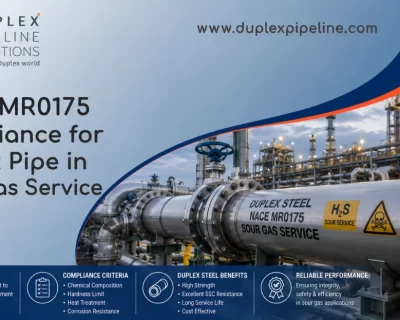
- Testing and certification – NACE MR0175 compliance, hydrostatic testing, and third-party inspection all add to overall steel pipe pricing but are non-negotiable for offshore service.
- Market volatility – Nickel and molybdenum prices swing regularly, so ss pipe cost quoted today can shift within weeks. Buyers should always request current mill pricing rather than relying on older steel pipe pricing sheets.
A useful tip for procurement teams: request quotes broken down by raw material surcharge versus fabrication cost. This makes it far easier to compare suppliers and understand exactly what’s driving the cost of stainless steel pipe on your order.
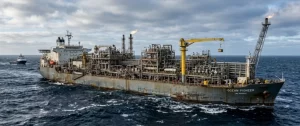
Stainless Steel Pipe and Fittings: Don’t Overlook the Connections
A flowline is only as strong as its weakest joint. Alongside the main steel pipe run, buyers need to specify matching stainless steel pipe and fittings elbows, tees, flanges, and couplings manufactured to the same duplex grade and pressure class as the pipe itself. Mixing grades between the pipe and its stainless steel plumbing fittings, or between the line pipe and connection hardware, is one of the most common causes of premature corrosion failure in offshore systems.
When sourcing fittings for topside utility lines or umbilical support systems, make sure your supplier can certify that all stainless steel pipe and fittings meet the same NACE and ASTM standards as the primary steel pipework, not just a general commercial grade. Even standard stainless steel plumbing fittings used in topside utility runs should be traceable to a certified mill, since a mismatched fitting can compromise an otherwise well-engineered system.
What Buyers Should Verify Before Placing an Order
Before you commit to a supplier for your next FPSO or subsea project, run through this checklist:
- Confirm the exact duplex or super duplex grade specified in your project’s material selection report.
- Ask for mill test certificates (MTCs) for every batch of steel pipe supplied.
- Clarify whether pricing is for seamless pipe or welded pipe, since this materially affects both cost and performance.
- Get a transparent breakdown of steel pipe pricing, including alloy surcharge, testing, and freight.
- Verify that all stainless steel pipe and fittings on the order share compatible chemistry with the main line pipe.
- Check current stainless pipe price benchmarks against at least two suppliers before finalizing your budget.